Stadium Sightlines: How to Choose a Seat for the View You Want
Stadium sightlines help you compare seats by angle, height and obstructions, so you can choose a view suited to the details of the match you follow.
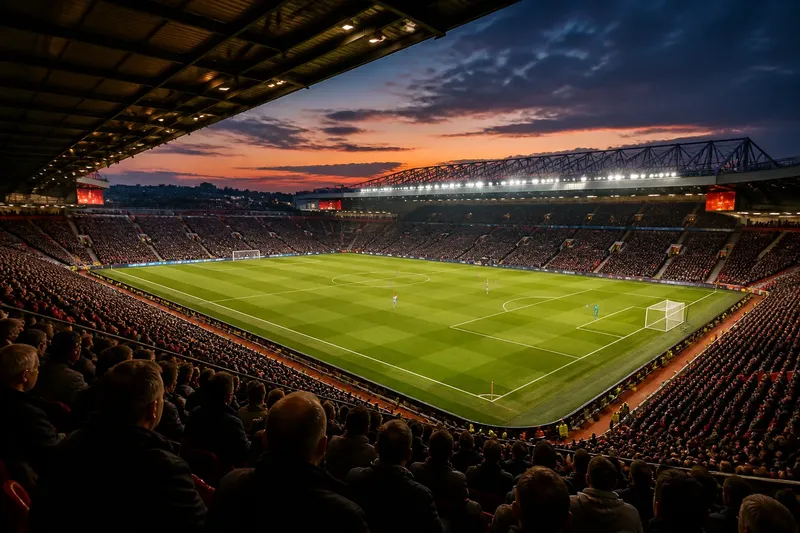
The most common mistake when choosing a stadium seat is to compare only its distance from the pitch. Stadium sightlines can make a nearby seat less useful for following play across the field, while a higher position may bring the whole shape of an attack into view.
A stand’s height, angle and relationship to the pitch affect what you can see. The useful question is not simply “How close am I?” but “What will I follow clearly, and what might sit beyond my view?”
Low seats bring the near-side action close
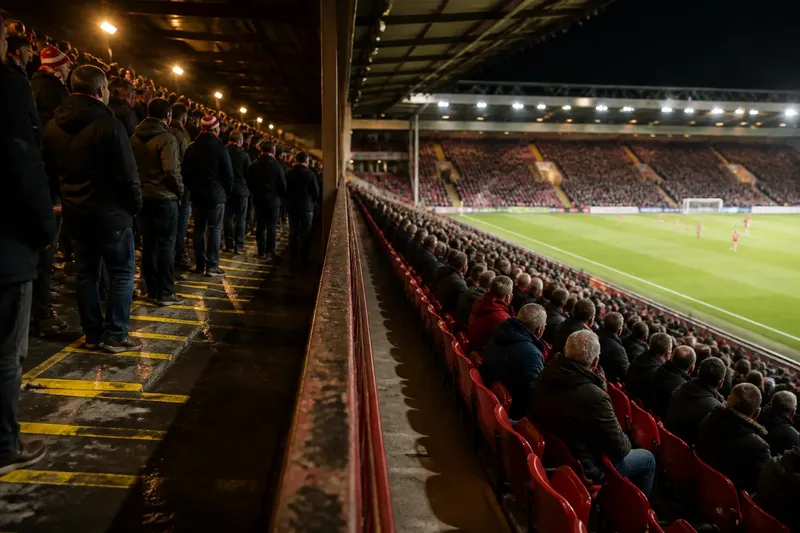
A lower seat beside the pitch gives the match a strong physical presence. You can see contests near the touchline, hear the crowd respond around you and watch the boundary as something more than a line on a screen.
That immediacy has a trade-off. From low down, it can be harder to read the far side or follow a move as it develops; nearby players may also obscure one another. This position suits spectators who value local detail and atmosphere more than a broad view of team shape.
Check the view image for the far touchline and any barriers. If either is hard to see, choose another section when following the whole pitch matters more than proximity.
Elevated side stands reveal the shape of play
From an elevated seat along the side, the pitch can appear as a whole playing surface rather than a sequence of nearby incidents. You can follow movement across the field, see how players occupy space and judge the direction of a developing attack.
A higher row may reduce the amount of pitch hidden behind people in front, while a lower row can make individual movements feel larger. Height also brings the action farther away, and a roof, upper tier or support can restrict a particular view.
When comparing side-stand seats, check how central the section is, which way it faces and whether a support interrupts the view. If the far touchline remains clear in the available image, that may matter more than a small change in height.
Seats behind a goal focus attention on one end
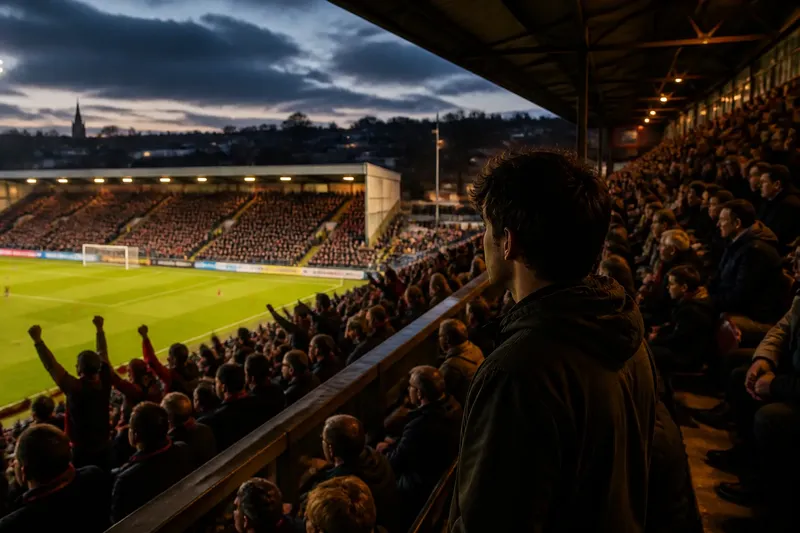
Behind a goal, attacks towards your end can feel direct and dramatic, and the goalmouth is easy to watch when play arrives there. The opposite end will look more distant, with its action harder to distinguish.
From this angle, passes towards or away from you may appear compressed, while movement across the field can be easier to follow. The position suits supporters drawn to one end’s atmosphere and attacks reaching it; it is less suited to someone seeking a balanced view of both halves.
Check whether the section gives you the atmosphere you want without hiding too much of the pitch. If broad visibility is your priority, compare it with an elevated side stand before booking.
How do you compare stadium sightlines before booking?
What is a stadium sightline?
A stadium sightline is the view from a particular seat towards the pitch and the action on it. Seat position, height and potential obstructions such as people in front, barriers or structural supports all affect that view.
Does a higher seat always give a better view?
No. Height can make the layout of the pitch easier to read, but it can also make individual action feel more distant. Compare the angle and any obstructions rather than treating height as a simple ranking.
Is a side stand better than a seat behind the goal?
Neither suits everyone. A side stand generally favours following movement across the pitch, while a goal-end seat puts more emphasis on attacks reaching that end and the surrounding atmosphere.
What should I check on a stadium seating plan?
Locate the section and row, then compare the direction it faces with any available view image. Check the far touchline, barriers, supports and roof edges, and choose another section if a likely obstruction conflicts with what you want to watch.
Use this checklist to compare the actual view
Before booking, write down the section and row for each option and check the seating plan or available view image. For each observation, make the decision that follows rather than assuming the nearest or highest seat must be preferable.
- Section position: If the seat is beside the pitch, choose it when close contests matter most; if following the whole field matters more, compare an elevated side section.
- View of the far touchline: If it is clear in the view image, keep the seat in consideration; if it is hidden or difficult to see, choose another angle for tracking play across the field.
- Height and row: If the pitch looks open from the row shown, keep it in consideration; if people or the stand structure obscure the view, compare a higher row or another section.
- Barriers and supports: If either crosses the playing area in the view image, reject that option when an unobstructed view is your priority; otherwise, compare a section without that interruption.
- Angle to the pitch: If the view is side-on, favour it for following movement across the field; if it is behind a goal, favour it when the atmosphere and attacks at that end matter more.
- Opposite end: If you can distinguish activity at the far goal, keep the seat in consideration for a broad view; if it looks compressed or distant, choose a side position when both ends matter.
Say you are choosing between a low seat near the touchline and an elevated seat on the same side. The seating plan places both beside the pitch; the low-seat image shows a clear near touchline but makes the far side harder to read, while the elevated image shows the full width and has no visible support in the line of sight. You mark closeness as your priority, then choose the low seat; if your priority is following switches of play, the same observations point to the elevated seat instead.
Match the seat to the details you follow
If your attention stays on the player with the ball, closeness may appeal. If you follow how the rest of the team moves, height and a side-on angle may matter more; if a particular end’s atmosphere is the draw, a goal-end seat may fit better.
Stadium sightlines are not a ranking of seats. Compare the section, angle, height and possible obstructions, then choose the view that lets you follow the parts of the match you care about.